

The classic technical interview assumed the hard part was writing code. A candidate solved a puzzle, finished a take-home project or wrote an algorithm on a whiteboard, and you learned something real. AI assistants changed that. Most of those exercises can now be completed in minutes by a tool, which means they no longer separate strong engineers from people who are good at prompting.
The job changed too. According to the 2025 Stack Overflow Developer Survey, 84 percent of developers use or plan to use AI tools, yet more of them distrust the accuracy of the output than trust it. The engineers worth hiring are the ones who can direct those tools, catch their mistakes and make sound decisions under real constraints. Your technical interview should test exactly that.
The short version
- Build gates from real failures: why past hires and candidates did not work out.
- Screen with scenarios from your own stack, not generic puzzles.
- Allow AI openly in a pairing session and judge how it is used.
- Listen for bluff tells when candidates are asked to go one layer deeper.
- Write hiring context per team and gate every candidate against it before anyone else invests time.
Why traditional technical interviews break
Puzzle interviews measured recall and speed on problems that AI now solves instantly. Take-home projects measured effort, and effort is now cheap. Even live coding can be assisted off-screen. Trying to police AI use turns interviews into a surveillance exercise that good candidates resent and determined ones work around.
A better question is not “can they write this without help?” but “can they produce correct, maintainable work with the tools they will actually use, and do they know when the tool is wrong?”
Build interview gates from real rejection patterns
Start with evidence from your own history. Pull the reasons candidates were rejected late in the process and the reasons hires did not work out in their first six months. Group them. Patterns appear quickly: shallow cloud experience behind a strong resume, no ownership of production incidents, weak communication with non-engineers, or inability to work inside an existing codebase.
Each pattern becomes a functional gate: a specific capability the candidate must demonstrate, with a clear pass bar. Gates replace vague “culture fit” judgments with criteria every interviewer applies the same way.
Screen with scenarios, not puzzles
A scenario screen describes a situation from your real environment and asks the candidate to talk through it. For example: “A nightly data sync started failing after a vendor API change. Customers see stale numbers. Walk me through the first hour.” There is no single right answer, which is the point. You hear how they triage, what they check first, what they communicate and when they ask for help.
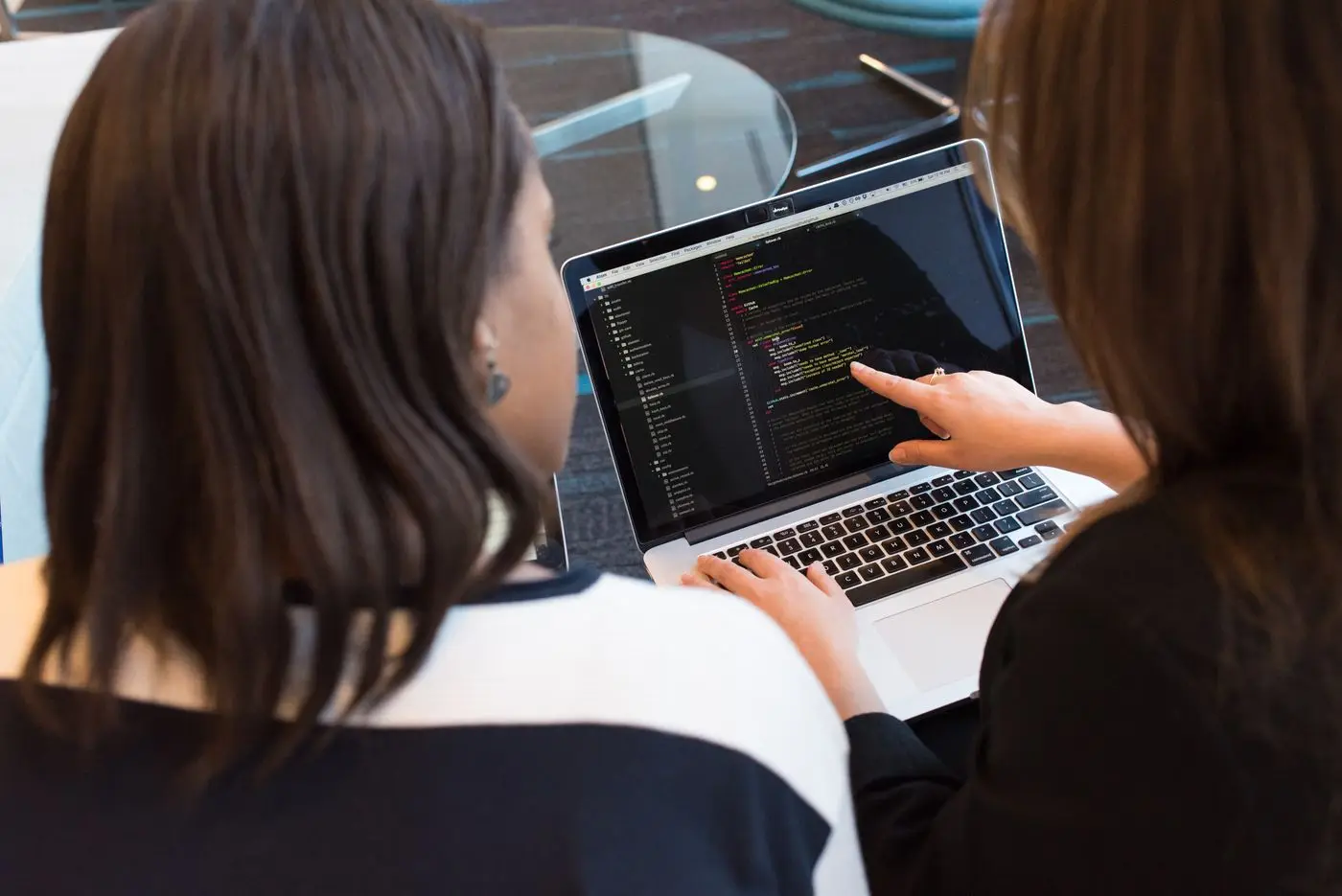
Run an AI-allowed pairing session
Give the candidate a small, realistic task in a codebase that resembles yours and tell them to use whatever AI tools they normally use. Then watch how they work:
- Do they break the problem down before prompting, or paste the whole task in?
- Do they read and test the generated code, or accept it as written?
- Do they notice when the assistant invents an API or ignores an edge case?
- Can they explain every line they keep?
The bluff tells to listen for
Strong candidates get more specific when you push. Weak ones get more general. Ask for one layer more detail on any claim and listen for these tells:
- Answers that sound like documentation rather than experience.
- No trade-offs: every choice they made was simply “best practice”.
- No failure stories, or failures that were always someone else’s fault.
- Numbers without context, such as “improved performance by 40 percent” with no baseline or method.
- Inability to say what they would do differently now.
Write hiring context for every team
Before a role opens, write one page on what the team actually needs: the stack, the hardest current problem, the gates that matter most and the rejection patterns from past searches. Every candidate is checked against that page before they reach an engineer’s calendar. It saves interviewer hours and keeps the bar consistent across recruiters.
Proof from experience
Our leadership has screened and placed engineering talent across more than a hundred technology engagements, from startups to global enterprises. That work produced a set of functional interview gates built from real client rejection patterns, scenario-based screens with documented bluff tells for each skill area, and a per-client hiring-context process with a gate that every candidate had to clear before submission. The result was fewer wasted interviews and far fewer late-stage surprises.
Fix your interview loop this month
- List the last twenty late-stage rejections and early departures, and group the reasons.
- Turn the top five patterns into written gates with a pass bar.
- Replace one puzzle round with a scenario screen from your real systems.
- Pilot an AI-allowed pairing session and score how candidates verify output.
- Write a one-page hiring context for your next open role.
Frequently asked questions
Should candidates be allowed to use AI in technical interviews?
Yes, in at least one round. Engineers use AI tools on the job, so the useful signal is how well a candidate directs, checks and explains AI-assisted work, not whether they can work without it.
How do you detect AI-assisted cheating in interviews?
Design interviews where AI help does not hide the signal: scenario discussions, follow-up questions that go one layer deeper and pairing sessions where AI is allowed. Candidates who are bluffing struggle to explain trade-offs and failures in their own words.
Are take-home coding tests still useful?
Only when paired with a live review where the candidate walks through their decisions. On their own, take-home tests now measure access to tools more than engineering skill.
What skills matter most for engineers in the AI era?
Problem decomposition, verification and testing, system design trade-offs, debugging in unfamiliar code and clear communication. Those are the skills AI tools amplify rather than replace.
Want a hiring process built for how engineers really work now? Explore our consulting and strategy services or talk to our team.